Notes From The Field
Dog days
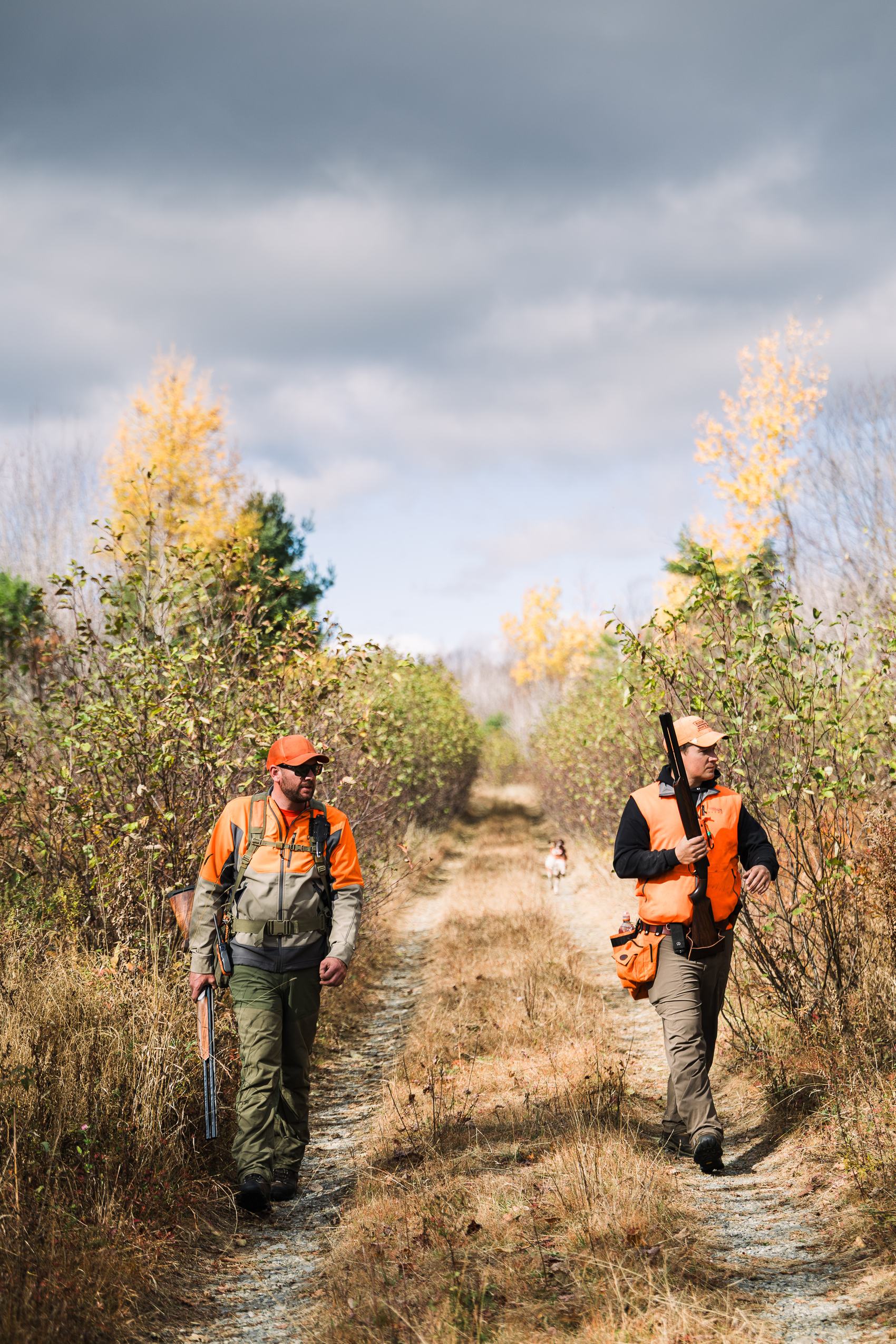
How hot is too hot to run a dog? There is no single temperature. Below is what actually decides it.
Notes From The Field
How hot is too hot to run a dog? There is no single temperature. Below is what actually decides it.
There is no single temperature that is too hot. The veterinary literature can't agree on one. The things that decide it, humidity, ground temperature, cover, airflow, acclimation and the individual dog, don't reduce to a number. If someone hands you a hard cutoff, they're guessing.
Co-authored by P.J. Rose, NAVHDA judge, and Charles Ellithorpe, DVM, sporting dog veterinarian
You would expect somebody to have published it by now. A temperature, a humidity reading, a line you don't cross. I went looking and couldn't find one that holds up, and neither could our resident veterinarian who reviewed this.
“Heat” isn't one variable. A dog sheds most of its heat by convection, air moving across the body, and by radiation, heat lost to the surroundings. Both start to fail as the air temperature closes on the dog's own body temperature, around 101 to 102.5 degrees. At that point panting has to carry the load, and panting cools by evaporation, which gets much less effective as the air gets more humid.
That's why seventy-eight degrees in dry air vs seventy-eight degrees in hot soupy air are two different days for a dog, and it's also why the thermometer on your truck can't tell them apart.
There's a rule of thumb in circulation: add the air temperature in Fahrenheit to the relative humidity level, and if the sum exceeds 150, heat injury becomes considerably more likely. Eighty-five degrees at seventy percent humidity gives you 155. Eighty-five at forty gives you 125.
Treat it as a flag, not a limit. It's crude, its relationship to the human heat index isn't clear, and we can find it repeated in a lot of places without finding where it started. Charles calls that dogma: something repeated until it gets treated as fact. But it's a five-second calculation you can do in the truck.
Read the day, then read the dog. No single factor is a stop sign. They stack, and the more of them present at once, the less margin the dog has.
Conditioning, drive and history are easy to overlook, so pay special attention to these factors. An overweight dog, a dark coat and an old dog are things you can see plainly.
Knowing when not to run is half of it. The other half is recognizing heat injury in the order it appears, and knowing what to do in the first five minutes which is where a lot of the advice still in circulation is out of date.
That's what our guide covers: the warning signs in a sequence you can track, what each one means for your dog, the current cooling protocol, and what to say on the phone to the clinic if it comes to that.
Enter your email below to receive the guide.
More from Notes From The Field → Can you put an overheated dog in cold water?
Free field guide
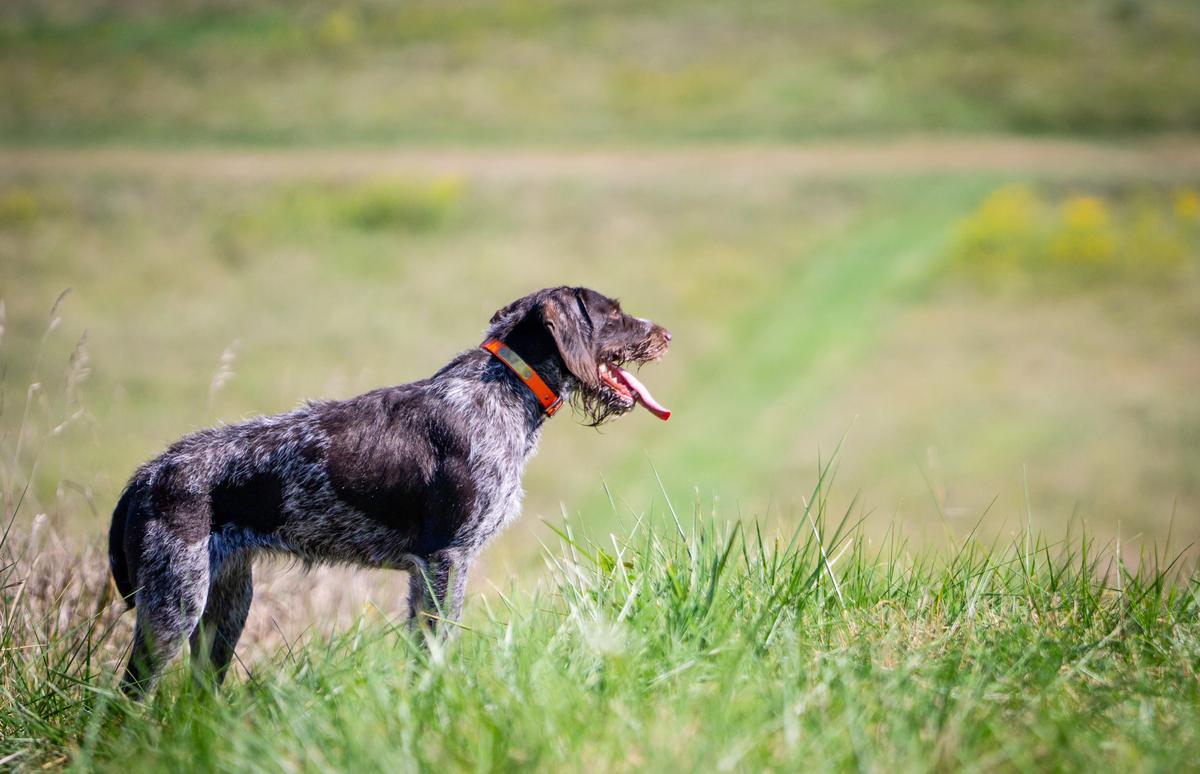
Too Hot to Run. A field guide to working dogs in the heat: understanding how a dog reacts to heat, the warning signs in the order they appear, and what to do in the first five minutes. Written with a sporting dog vet.